
The Essential Vintage Equipment Lubricants: A Complete Comparison
Disclosure: This post contains affiliate links. If you purchase through our links, we may earn a small commission at no extra cost to you. We only recommend products we’ve researched and trust.
Picture this: you’ve just brought home a stunning 1960s Singer 99K from an estate sale. The stitches are tight, the chrome gleams, and you’re already imagining decades more use from this machine. Then a well-meaning relative says, “Just spray some WD-40 in there.” You hesitate. Good instinct. That single spray could dissolve the rubber grommets that took sixty years to dry-harden, and cost you $200 in repairs before your first seam.
This vintage equipment lubricants guide exists precisely for that moment. Whether you’re standing over a Singer 99K, a Canon AE-1 with a sticky focus ring, a 1940s Underwood typewriter with gummed-up keys, or a mechanical pocket watch your grandfather left you — knowing which lubricant to use is the difference between a machine that runs for another fifty years and one that ends up in a parts bin.
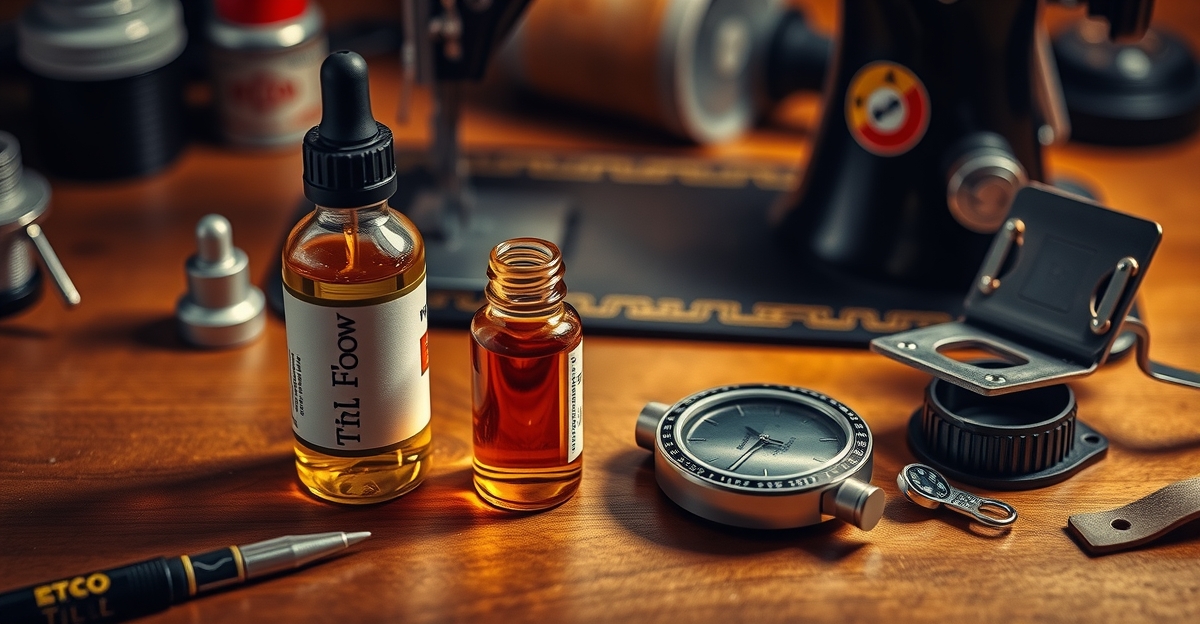
Choosing the right lubricant for vintage equipment means matching viscosity and base oil chemistry to the specific mechanism. Light mineral oils (ISO 10–15) work best for sewing machines; ultra-thin synthetic esters for mechanical watches; general-purpose oils like Tri-Flow for cameras and typewriters. Using the wrong lubricant — especially WD-40 — can dissolve rubber seals, attract abrasive lint, and cause damage that no amount of oiling will reverse.
Below, you’ll find myth-busting facts, a full lubricant type breakdown, a compatibility matrix you can bookmark, our top 8 product picks with affiliate links, and a step-by-step application guide. By the end, you’ll know exactly what to buy and exactly where to put it.
Jump to the compatibility table if you need a quick reference right now.
4 Myths About Lubricating Vintage Equipment (And Why They’re Wrong)
Before we get into the good stuff, let’s clear the air on some widely repeated bad advice. These myths circulate constantly on forums, in garage sales, and occasionally from people who really should know better.
Myth #1 — “WD-40 Works for Everything”
Walk into any subreddit focused on vintage machines — r/Sewing, r/Typewriters, r/AnalogCommunity — and you’ll see some version of this myth dismantled at least once a week. WD-40 is not a lubricant. It’s a penetrating oil and water displacer (the name literally means “Water Displacement, 40th formula”). It was developed in 1953 to protect missile components from moisture, not to keep a watch escapement spinning smoothly.
Here’s why it’s actively dangerous on vintage equipment: WD-40 evaporates quickly, leaving almost no protective film. In the short window before it disappears, those volatile solvents attack vintage rubber gaskets and seals — the ones that have been doing their job reliably for 50+ years. Once those seals degrade, you’re looking at oil contamination, mechanism seizing, and a repair bill that dwarfs the $6 bottle of proper oil you should have bought.
One r/Sewing member documented exactly this: sprayed WD-40 into a 1958 Kenmore zigzag, heard it run “smoother” for a week, then watched the feed dog mechanism lock up completely. The repair required full disassembly and new rubber components. The whole thing cost $230.
WD-40 is appropriate for: stuck screws, removing surface rust, moisture displacement after getting wet.
WD-40 is never appropriate for: sewing machines, watches, cameras, typewriters, or any fine mechanism.
Note: the WD-40 Specialist product line uses different formulations and some are usable for light work — but even those aren’t ideal for precision vintage parts.
Myth #2 — “More Oil = Better Performance”
Over-oiling is probably the single most common self-inflicted injury in vintage equipment maintenance. One drop does the job. Two is fine as a starting point. A dropper-full is how you turn a smoothly running sewing machine into a lint-magnet that stains your fabric and slows to a crawl.
Excess oil attracts lint and dust, and that mixture becomes an abrasive paste. On a sewing machine, it clogs the hook race — the most critical oiling point on the whole machine — and leaves brown oil stains on the first few inches of every project. On a mechanical watch, a single drop too many on the escapement can cause the watch to run slow, then stop entirely.
Recovery: Soak the gummed area with 90%+ isopropyl alcohol (IPA) on a cotton swab. Let it sit, work the mechanism gently, then repeat until the movement runs freely. Only then re-oil with the correct product and the correct amount — 1 to 2 drops per oiling point, no more.
Myth #3 — “Car Oil Works Just Fine”
Motor oil looks like oil. Sewing machine oil looks like oil. They are not the same thing.
SAE 5W-30 motor oil sits around ISO 100 in viscosity — roughly 10 to 15 times heavier than the ISO 10–15 sewing machine oil your vintage Singer was designed for. Beyond viscosity, motor oil contains combustion-engine additives: heavy detergents, pour-point depressants, oxidation inhibitors designed for 250°F oil temperatures. None of that chemistry belongs anywhere near a fine mechanical movement.
| Oil Type | ISO Viscosity | Problem for Vintage Equipment |
|---|---|---|
| Motor oil (5W-30) | ~ISO 100 | Far too thick; residue buildup; engine additives damage seals |
| 3-in-1 Classic Oil | ISO 22–32 | Adequate viscosity, but oxidizes faster; leaves sticky residue |
| Tri-Flow Lubricant | ISO 32 | Ideal weight for most vintage mechanisms |
| Sewing machine oil | ISO 10–15 | Correct for sewing machines, typewriters, light mechanisms |
| Watch oil (Moebius 8000) | ISO 10–20 | Correct for escapements and precision pivot points |
Myth #4 — “3-in-1 Oil Is Universal”
3-in-1 Classic Oil has been around since 1894 and it’s a perfectly decent household lubricant — for door hinges, bicycle chains, and hand tools. But “household” is the operative word. For precision vintage equipment, it’s a compromise you don’t need to make.
At ISO 22–32, it’s borderline acceptable for sewing machines but genuinely too thick for watches, camera shutters, and typewriter escapements. Its additive package leaves a slightly sticky residue over months of oxidation that gums up the fine clearances in delicate mechanisms. A bottle of Tri-Flow or dedicated sewing machine oil costs the same and performs dramatically better. Save the 3-in-1 for your workshop door.
Which Lubricant Type Do You Actually Need?
Now that you know what not to use, here’s the full breakdown of what actually works — organized by oil family, viscosity, and equipment type.
Light Mineral Oils for Sewing Machines (ISO 10–15)
These are the category standard for a reason: clear, watery-thin, oxidation-resistant, and chemically inert with the rubber and plastic components found in machines built between the 1930s and 1980s.
Viscosity of ISO 10–15 means the oil flows almost like water — which is exactly what a sewing machine hook race needs. The hook rotates at high RPM; thick oil would slow it down and generate heat. Thin oil reaches the tight tolerances between moving parts and forms a durable film without building up.
Where to apply on a vintage sewing machine:
- Hook race (the most critical point — the rotating hook shuttle)
- Outer ring where the hook rotates in its track
- Needle bar slide
- Presser foot linkage
- Handwheel bearings (where accessible through the side panel)
- Feed dog mechanisms (some machines prefer a thin grease here — check your manual)
Top brands:
- Schmetz Sewing Machine Oil [AFFILIATE LINK] — the standard 1.25 oz bottle, ~$9–12 on Amazon; widely available, trusted brand
- Weaver Needle Oil [AFFILIATE LINK] — ~$6–8; a favorite in the r/Sewing community for experienced collectors who want quality over branding
- Janome branded oil — fine for Janome machines specifically; brand-specific formulation
Frequency: Every 8–10 hours of active use, or right before extended storage. If you’re sewing lightly on a weekend basis, that works out to roughly once a month. How to Oil a Vintage Sewing Machine Without Damaging It
General-Purpose Light Oils — Tri-Flow, SuperLube, Zoom Spout (ISO 32–40)
This is the Swiss Army knife category — and Tri-Flow is the undisputed king of it. Originally developed in Wisconsin in 1954, Tri-Flow uses a PTFE (Teflon) additive suspended in an ISO 32 mineral base. That combination means it penetrates tight clearances, reduces friction on first contact, and stays put without building up a sticky film.
It’s the go-to in repair communities across the board: r/AnalogCommunity camera techs use it on stuck focus rings and film advance levers; r/Typewriters users recommend the Tri-Flow + compressed air combo as the starting point for almost any sluggish mechanism. Safe on vintage plastics and rubber, which is non-negotiable when you’re working with 40-year-old components you can’t easily replace.
Where to use:
- Film camera focus rings (stuck? One drop, wait 15 minutes, twist gently)
- Film camera film advance levers
- Typewriter key linkages and basket hinges
- Mechanical clock pivot points
- Lock cylinders
- Any mechanism that needs light lubrication but has mixed plastic/metal construction
Top products:
- Tri-Flow Superior Lubricant [AFFILIATE LINK] (2 oz, ~$6–9) — industry standard; ASIN B00009E3T6 on Amazon
- SuperLube Synthetic Oil [AFFILIATE LINK] (2 oz, ~$8–12) — PTFE-filled, Amazon Choice, excellent value
- Zoom Spout Premium Lubricant Oil [AFFILIATE LINK] (~$12–18) — the precision dispenser nozzle makes this invaluable for tight spots; a favorite among typewriter restorers who need surgical accuracy
A note on the Canon AE-1 Remove Canon AE-1 Battery Corrosion: DIY Repair Guide: this camera notoriously develops sticky focus rings after 30+ years of helicoid grease drying out. One drop of Tri-Flow on the focus ring seam, rotate to distribute, wipe excess. That’s it. Do not drench it.
Specialty Synthetic Watch Oils (ISO 10–20)
Watch oils occupy a different universe from everything else on this list. Professional-grade watch lubricants like Moebius 8000 are synthetic ester or PAO (polyalphaolefin) formulations designed for pivot diameters measured in hundredths of a millimeter. They have 10+ year shelf life when stored correctly, ultra-low pour points for cold-climate performance, and a price tag to match their precision — $25–45 for a fraction of an ounce.
Moebius 8000 (Chronaxial) [AFFILIATE LINK] is the Swiss industry standard for balance wheel pivots and fast-moving escapement parts. Moebius 9104 handles heavier escapement applications. Nye Lubricants ISOFLEX NB 52 is an industrial-grade alternative, harder to find at retail.
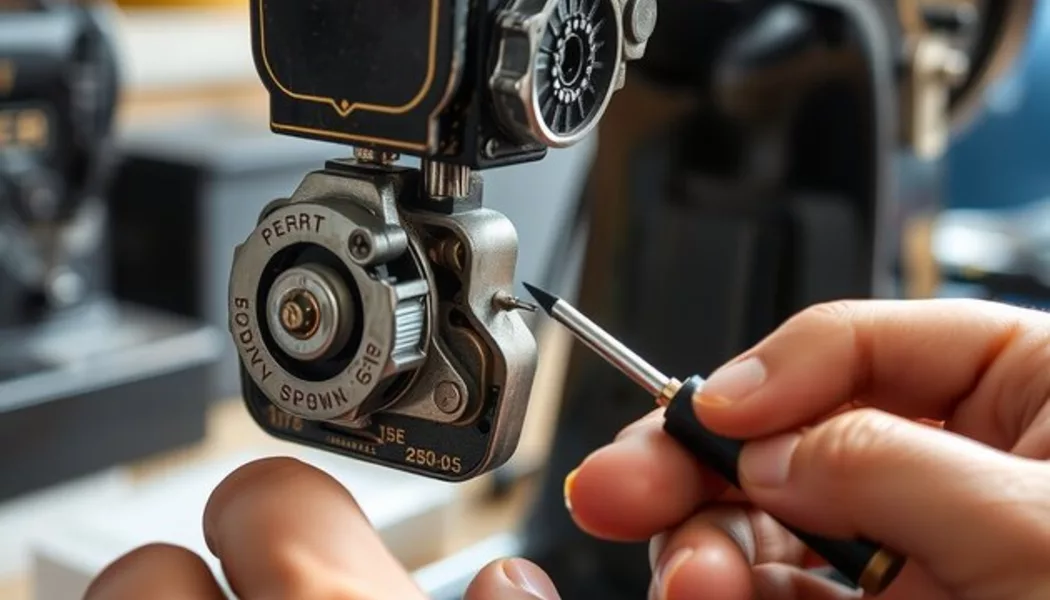
For the hobbyist working on a display piece or a non-valuable movement, SuperLube Synthetic Oil [AFFILIATE LINK] is an acceptable substitute for non-escapement points. But if you have a vintage Rolex, a fine Longines, or anything with sentimental value exceeding $300, hire a professional. One micro-drop too many on a balance wheel pivot can stop the watch and require full disassembly to fix. The repair costs more than the oil you saved.
Mechanical Watch Repair: Cleaning & Lubrication Guide
Storage: Refrigerate opened watch oil. Seriously. The shelf life of an opened bottle drops from 10+ years to 1–3 years at room temperature. A small, sealed container in the fridge door doubles or triples usable life.
Greases vs. Oils — When to Use Each
Oils flow into tight clearances between rotating surfaces — pivot points, needle bearings, anything spinning at high speed. Greases stay where you put them, which makes them the right choice for gear teeth, cam surfaces, sliding rails, and lead screws. Using oil where grease belongs (or vice versa) leads to either insufficient lubrication or oil migration into areas it shouldn’t be.
For sewing machine feed gears: A rice-grain-sized dab of SuperLube Synthetic Grease with PTFE [AFFILIATE LINK] (~$10–15) on gear teeth; replace every few years or when the machine sounds gritty.
For typewriter carriage rails: Light white lithium grease keeps the carriage sliding smoothly without the rail “swimming” in oil that eventually drips. SuperLube White Lithium Grease [AFFILIATE LINK] (~$7–10) does the job.
For camera helicoid threads: Silicone grease is the correct choice for the helicoid focus thread on older manual-focus lenses and cameras. Shin-Etsu Silicone Grease [AFFILIATE LINK] (~$15–20) is what repair technicians use; it’s compatible with the aluminum threads found in 1960s–1980s SLRs without the tackiness of petroleum-based greases.
Golden rule for greases: If you can see it mounded on the surface, you’ve used too much. A barely-there film is enough.
Specialty Applications — Cameras, Typewriters & Lawn Equipment
Film cameras beyond the focus ring: Shutter curtains should never be oiled directly — ever. If the shutter is sticky, that’s a job for a repair technician or a careful IPA cleaning; oil on shutter curtains causes bounce and incorrect exposures. For the Olympus OM-1’s notoriously stiff advance lever, one drop of Tri-Flow on the lever pivot, cycle ten times. Done. How to Remove Fungus from Camera Lens: Complete DIY Guide
Typewriters: The Royal Quiet de Luxe and similar mid-century machines Royal Quiet De Luxe Typewriter Repair: Common Problems Fixed accumulate decades of hardened grease on carriage rails. Clean with IPA first — a cotton swab soaked in 90%+ IPA worked along the rail removes that brown, sticky buildup. Once clean, a thin bead of white lithium grease on the rail restores the satisfying carriage slam. For key linkages and the escapement wheel, Tri-Flow in precise single drops.
Lawn equipment: Different animal entirely. Vintage small-engine lawn mowers from the 1950s–1970s run SAE 30 or 10W-30 motor oil — the exact same heavy oil that would ruin a sewing machine. Their engines were designed for it. Change the oil every 50 hours or once per season; check your original manual for weight specification. Sharpen Vintage Lawn Mower Blades: The Complete Safety Guide
The Ultimate Lubricant-to-Equipment Compatibility Matrix {#compatibility-matrix}
Bookmark this table. It’s the quick-reference you’ll want the next time you’re standing at a workbench wondering what goes where.
Choosing the right oil comes down to three variables: the mechanism’s operating speed, the material composition of the parts (metal, plastic, rubber), and whether you need a lubricant that stays put or one that migrates into tight clearances. This matrix handles all of that in one glance.
| Equipment Type | Oil/Grease Type | Recommended Product | Always Avoid |
|---|---|---|---|
| Vintage sewing machine (pivot points) | ISO 10–15 light mineral oil | Schmetz, Weaver Needle Oil, Janome | WD-40, motor oil, cooking oil |
| Vintage sewing machine (feed gears) | PTFE-filled grease | SuperLube Synthetic Grease | Heavy automotive grease |
| Mechanical watch (escapement) | ISO 10–20 synthetic ester | Moebius 8000, Moebius 9104 | Any general-purpose oil |
| Mechanical watch (non-escapement) | Thin synthetic oil | SuperLube Synthetic Oil | WD-40, sewing machine oil |
| Film camera (focus ring) | ISO 32 light oil | Tri-Flow, Zoom Spout | Silicone spray, WD-40 |
| Film camera (helicoid thread) | Silicone grease | Shin-Etsu Silicone Grease | Light oil (too thin, migrates) |
| Film camera (shutter curtains) | None — do not oil | Professional cleaning only | Everything |
| Typewriter (key linkages) | ISO 32 light oil | Tri-Flow, sewing machine oil | Heavy grease, WD-40 |
| Typewriter (carriage rail) | White lithium grease | SuperLube White Lithium | Light oil (drips) |
| Vintage mechanical clock | ISO 15–20 light oil | Moebius 9104, Tri-Flow | Motor oil, WD-40 |
| Vintage lawn mower (engine) | SAE 30 motor oil | Standard SAE 30 (per manual) | Watch oil, sewing machine oil |
| Vintage lawn mower (linkages) | ISO 32–40 light oil | 3-in-1, Tri-Flow | Watch oil (too thin) |
Our Top 8 Lubricant Picks for Vintage Equipment
You don’t need a cabinet full of specialty oils to maintain most vintage equipment. Four or five products cover nearly every scenario. Here are the eight best, ranked by versatility and value.
1. Tri-Flow Superior Lubricant [AFFILIATE LINK] — Best All-Rounder
~$6–9 | 2 oz bottle
If you buy only one product from this list, make it Tri-Flow. It works on cameras, typewriters, clocks, locks, sewing machines in a pinch, and practically anything with a metal pivot or sliding surface. The PTFE additive reduces friction from the first application, and it doesn’t leave the sticky film that plain mineral oils develop over time. The precision-tip bottle makes it easy to place a drop exactly where you need it.
2. Schmetz Sewing Machine Oil [AFFILIATE LINK] — Best for Sewing Machines
~$9–12 | 1.25 oz bottle
Schmetz makes the needles in most vintage European machines, and their oil is the same quality — reliably thin at ISO 10–15, oxidation-stabilized, and odorless. It comes in a small bottle with a needle-tip applicator that makes controlled dosing easy. For any sewing machine from the 1930s through the 1980s, this is what you want.
3. Moebius 8000 Watch Oil [AFFILIATE LINK] — Best for Mechanical Watches
~$25–45 | 0.5–1 ml vial
Yes, it’s expensive for the volume. Yes, it’s worth it if you’re working on a watch that matters. Moebius is the Swiss standard used by professional watchmakers worldwide. The synthetic ester base provides unmatched oxidation stability — an unopened vial is good for 10+ years. Use it only on escapement components and balance wheel pivots; for the rest of the watch movement, a lighter general-purpose synthetic is fine.
4. SuperLube Synthetic Oil [AFFILIATE LINK] — Best Budget All-Rounder
~$8–12 | 2 oz bottle
SuperLube’s synthetic PTFE formula is genuinely close to Tri-Flow in performance at a similar price point. It earns the Amazon Choice badge for good reason — consistent quality, widely available, and safe on plastics and rubber. A solid secondary option when Tri-Flow is out of stock or for stocking up in bulk.
5. Zoom Spout Premium Lubricant Oil [AFFILIATE LINK] — Best for Precision Work
~$12–18 | 2 oz
The product itself is a good light oil; the dispenser is what you’re really buying. The long, thin Zoom Spout tip lets you place a drop in spots that a standard bottle nozzle can’t reach — deep inside a typewriter basket, down into a clock pivot hole, along the throat of a camera’s film advance mechanism. If you’re doing any serious restoration work, this applicator earns its price in frustration saved.
6. Weaver Needle Oil [AFFILIATE LINK] — Best Dedicated Sewing Machine Oil
~$6–8 | 1 oz
A cult favorite in the collector community for decades. Weaver Needle Oil is a pure, high-grade ISO 10 mineral oil without the branding premium of machine-specific bottles. Experienced vintage sewing machine restorers often recommend it over manufacturer-branded oils precisely because of its purity — no additives, no mystery ingredients, just clean oil that does exactly one job well.
7. SuperLube Synthetic Grease with PTFE [AFFILIATE LINK] — Best Grease for Gears
~$10–15 | 3 oz tube
For any application that needs a grease rather than an oil — sewing machine feed gears, typewriter carriage rails, vintage clock wheel teeth — this is the one. The PTFE filler reduces friction on gear surfaces, and the synthetic base means it doesn’t oxidize into the varnish-like mess that petroleum greases leave after a decade. Stays workable across a wide temperature range.
8. Shin-Etsu Silicone Grease [AFFILIATE LINK] — Best for Camera Helicoids
~$15–20 | small container
Silicone grease is chemically inert with aluminum and the various plastics and rubber components in 1960s–1980s camera lenses. It won’t dry out the rubber focus ring seals, and it provides exactly the right drag resistance on helicoid focus threads — not too stiff, not so slippery the focus ring spins without resistance. Professional lens repair technicians use Shin-Etsu specifically. A small container lasts for years of occasional use.
How to Lubricate Vintage Equipment: Step-by-Step
Good lubrication technique matters as much as choosing the right product. Here’s the protocol that works across vintage equipment types, with the sewing machine oiling sequence as the primary example since it’s the most detailed.
Sewing Machine Oiling Procedure
Before you put a single drop of oil anywhere, clean the machine. Lint packed around an oiling point turns oil into a grinding paste; you’re not improving the mechanism, you’re accelerating its wear.
- Step 1: Unplug the machine. Remove the needle, presser foot, needle plate, and bobbin case to access the interior.
- Step 2: Use a stiff-bristle lint brush to sweep out lint from the feed dog area, hook race, and any visible mechanism. Follow with a brief burst of compressed air held 4+ inches away from the mechanism — too close and you blow lint deeper in rather than out.
- Step 3: Locate all oiling points. On a Singer 99K or similar vintage machine How to Fix Singer 99K Timing Issues: A Visual Step-by-Step Guide, these are typically marked in the original manual with small red dots or oil-can symbols. If you don’t have the manual, look for any bright metal-on-metal contact surface.
- Step 4: Apply exactly 1–2 drops of sewing machine oil at each point. Use a needle-tip applicator or fold a piece of paper into a tight point to direct the drop if your bottle has a wide opening.
- Step 5: Rotate the handwheel 20 complete revolutions by hand to distribute the oil through the mechanism. You should hear or feel the movement become slightly smoother.
- Step 6: Wipe away any excess oil with a lint-free cloth. Oil sitting on the outside of a surface doesn’t lubricate — it just drips onto fabric.
- Step 7: Thread the machine and test-sew on scrap fabric for 5 minutes before starting a real project. If oil stains appear on the fabric in the first pass, you’ve applied too much — go back to Step 6 and wipe more aggressively.
General Vintage Equipment Lubrication Tips
These principles apply whether you’re working on a typewriter, clock, or film camera:
- Always clean before lubricating. Old, gummy oil acts as a trap for abrasive particles. Soak it off with 90%+ IPA before applying fresh oil.
- Less is always more. You can add another drop; removing excess oil from a fine mechanism requires disassembly.
- Work in good light with magnification if possible. A watchmaker’s loupe or a clip-on phone macro lens lets you see exactly where the oil lands.
- Keep a maintenance log. Date, product used, observations about how the mechanism felt before and after. When you come back in two years, you’ll know exactly what was done.
- Store lubricants correctly. Closed, in a cool dark place. Refrigerate opened watch oils. Check the color and smell before using any oil that’s been sitting for more than two years — degraded oil is worse than no oil.
Frequently Asked Questions
Can I use olive oil or cooking oil on a sewing machine?
No. Vegetable and cooking oils go rancid within weeks when exposed to air, leaving a sticky, foul-smelling film that attracts mold and gums up mechanisms. They also have wildly inconsistent viscosity and contain fatty acids that react with metal surfaces. Pure white mineral oil (available at pharmacies as a laxative, marketed as sewing machine oil at sewing shops) is the lowest-cost legitimate substitute if you’re in a pinch — but proper sewing machine oil is cheap enough that there’s no real reason to improvise.
How often should I oil my vintage sewing machine?
Every 8–10 hours of active sewing. If you sew occasionally — a weekend project here and there — that works out to roughly once a month. Always oil before extended storage (anything longer than a month or two). A machine stored dry is a machine that will seize up when you go back to it.
Is WD-40 safe to use on my sewing machine?
No. WD-40 is a water displacer and penetrating oil, not a lubricant. On a vintage sewing machine it will temporarily make things run smoother as it penetrates old, gummy oil — then it evaporates, leaving the mechanism dryer than before. More dangerously, its solvents degrade the rubber components (grommets, motor mounts, drive belt) that are already 50–80 years old. The WD-40 Specialist product line is a different formulation but still not recommended for fine vintage mechanisms.
What’s the best oil for a vintage Singer sewing machine?
Dedicated sewing machine oil — Schmetz, Weaver Needle Oil, or Janome branded oil are all reliable choices at ISO 10–15 viscosity. For a Singer 99K specifically, any of those work well on the hook race and needle bar. The key is viscosity (thin, watery, ISO 10–15) and purity (no additives). How to Fix Singer 99K Timing Issues: A Visual Step-by-Step Guide
Can I over-lubricate a mechanical watch?
Yes, easily — and the consequences are expensive. Excess oil on a balance wheel escapement migrates onto the pallets and roller jewel, causing the watch to run slow and eventually stop. On a vintage Seiko or similar movement, fixing this means full disassembly, ultrasonic cleaning, and re-oiling: typically $150–300 at a watchmaker. For anything valuable, the answer is always “less than you think you need” or “hire a professional.” Mechanical Watch Repair: Cleaning & Lubrication Guide
What oil does a Canon AE-1 need?
Tri-Flow or SuperLube Synthetic Oil for the focus ring and film advance lever — one drop each, worked in by cycling the mechanism. Never oil the shutter curtains directly. If the shutter is sluggish or the curtains look sticky, that’s a repair technician’s job, not a lubrication job. Remove Canon AE-1 Battery Corrosion: DIY Repair Guide
How do I remove old gummy oil from vintage equipment?
Isopropyl alcohol at 90% concentration or higher, applied with a cotton swab. Work slowly, let the IPA dissolve the old oil (give it 30–60 seconds before wiping), and repeat until fresh swabs come back clean. For stubborn hardened grease on typewriter carriage rails or sewing machine gear mechanisms, a wooden toothpick helps lift the residue mechanically without scratching metal surfaces.
How long does an opened bottle of sewing machine oil last?
One to three years at room temperature once opened; up to five years if stored in the fridge in a well-sealed container. The signs of degradation: darkened color (should be crystal clear), a slightly rancid or sweet smell, or visible sludge at the bottom. If in doubt, a fresh $8 bottle of oil is cheaper than the repair you’re trying to avoid. —
Why Getting This Right Is Worth It
Every vintage machine you maintain properly is one that doesn’t end up landfill. That’s the right-to-repair argument in its simplest form — and it happens to be true. A Singer 99K oiled correctly every 8–10 hours of use will outlast the person who maintains it. A Canon AE-1 with a properly lubricated focus ring will still be making photographs in 2060. A vintage Underwood typewriter with clean carriage rails and a fresh drop of Tri-Flow on the escapement will outlast every inkjet printer manufactured this decade.
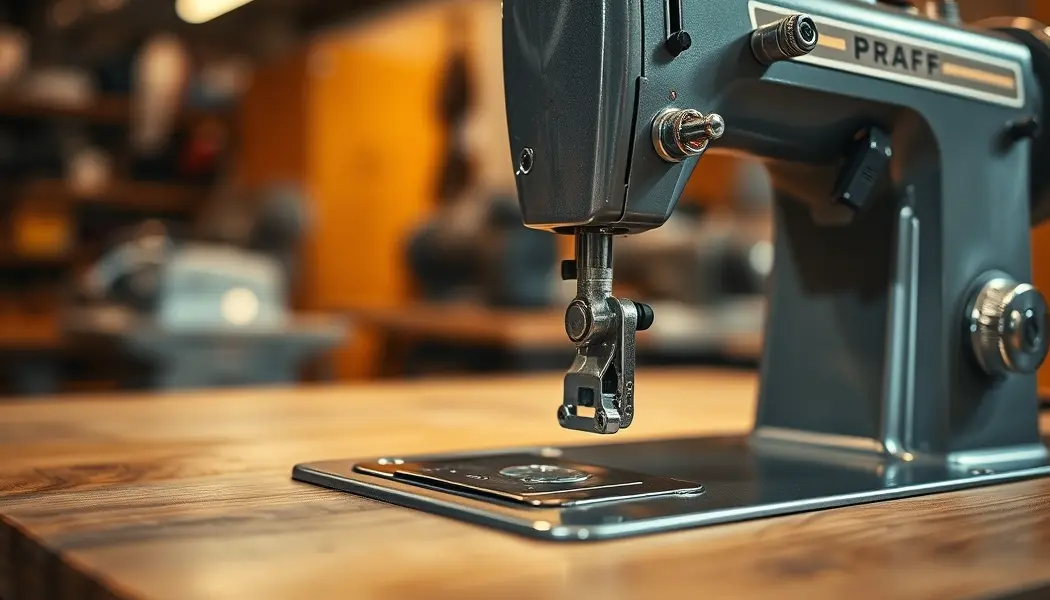
This vintage equipment lubricants guide covers everything you need to maintain five different equipment categories without expensive mistakes. Pick up the right oil for your specific machine — start with Tri-Flow if you’re unsure, add dedicated sewing machine oil if you’re working on a vintage Singer or Pfaff — and you’ll have what you need for years of reliable maintenance.
Browse our equipment-specific repair guides for deeper dives: How to Oil a Vintage Sewing Machine Without Damaging It, Mechanical Watch Repair: Cleaning & Lubrication Guide, and Royal Quiet De Luxe Typewriter Repair: Common Problems Fixed. Your machines will thank you.