
Top 10 Sewing Machine Restoration Tools You Actually Need
Why the Right Tools Make or Break a Restoration
Here’s the honest truth: most restoration failures aren’t skill problems. They’re tool problems. A cheap screwdriver strips a 60-year-old screw head — and now you’ve got a stuck plate and a machine you can’t fully access. A blob of WD-40 where sewing machine oil should go and suddenly your tension is worse than before. A metal screwdriver used as a pry tool leaves a scratch across original paint that took decades to develop. Wrong tools don’t just make the job harder. They cause new damage. The good news? The tools that actually matter are simple, inexpensive, and mostly available on Amazon with two-day shipping. You don’t need a professional repair station. You need a dedicated kit that lives next to your machine, organized and ready. Here’s exactly what goes in it. —Tool #1: The Lint Brush — Your First Line of Defense
Before oil, before adjustments, before anything else — you clean. And cleaning starts with a lint brush.What It Does
The lint brush removes accumulated dust, thread bits, and lint from the bobbin area, feed dogs, and tension discs. Vintage machines that have sat in storage for years can have compacted lint funneling right into the mechanism. That buildup causes tension problems, jamming, and weird clacking noises that make you think something is seriously wrong when sometimes it’s just… fluff. Decades of it. This is literally the first step of every single restoration I’ve done. You cannot properly inspect or oil a machine that’s still full of debris.Our Pick: Dritz Sewing Machine Brush (~$3–$5)
The Dritz brush is the Amazon bestseller in this category for a reason — over 1,200 reviews and a 4.8-star rating. Fine angled bristles, the right size for bobbin-area access, and gentle enough for tension discs. For a backup or if you want something with slightly more durable bristles, the Hemline Sewing Machine Brush (~$5–$6) is a UK-made option that holds up well after extended use. Where to buy: Amazon, Joann Fabrics, local quilt shopsPro Tip
Buy two or three. Keep one at your sewing station for weekly maintenance, one in your restoration kit. Bristles flatten with use and a worn-down brush does maybe half the job. They’re $4. Just replace them. Also: brush *before* you oil every single time. Oiling over lint is like painting over rust. —Tool #2: The Right Oil — And Why WD-40 Will Ruin Your Machine
This is where 80% of beginner mistakes happen. And it’s also where 80% of “my machine is acting weird after I cleaned it” Reddit posts come from.What It Does
Sewing machine oil is a thin, lightweight mineral oil formulated to lubricate the needle bar, rotary hook, tension discs, and all moving metal-on-metal contact points without leaving residue or attracting dust. One drop per oiling point. That’s it. The problem is that WD-40 — which people reach for because it’s in every garage — is a water-displacement spray, not a lubricant. It evaporates, leaves residue, and attracts dust like a magnet. General-purpose oils (think 3-in-1) are too thick and gum up over time. Silicone spray damages internal seals. Every one of these “alternatives” will make your machine worse. Spend the $6. Use the right stuff.Our Pick: Medalist Sewing Machine Oil (~$6–$9 for 2 oz)
Medalist is specifically formulated to prevent gumming, stays thin at room temperature, and works across all mechanical sewing machine brands — Singer, Bernina, Pfaff, Brother, Janome, you name it. If you own a Bernina, their official branded oil (~$8–$12) is worth using for warranty and authenticity reasons, but Medalist is functionally equivalent for vintage machines. Budget pick: Kamisetti Generic Sewing Machine Oil (~$5–$7) — Amazon’s house-brand equivalent and totally adequate. Where to buy: Amazon, local quilt shops, fabric storesPro Tip
A 2 oz bottle lasts a hobbyist 1–2 years. Store it somewhere cool and dry — not the bathroom, where humidity gets into it. Check the expiration date if you’ve had it a while; old oil can thicken and start behaving like the stuff you were trying to avoid. The Essential Vintage Equipment Lubricants Guide —Tool #3: Precision Screwdrivers — Buy Quality or Regret It
I’ve stripped more screws than I care to admit. Every single one of them happened with a cheap screwdriver.What It Does
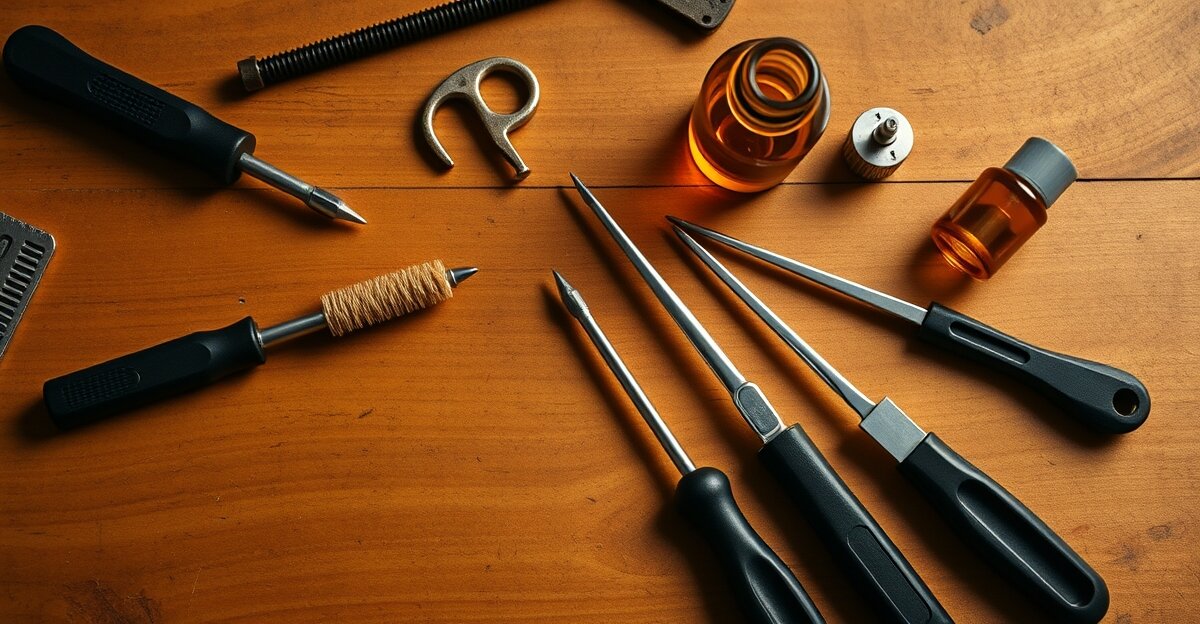
Vintage sewing machines use small #0, #1, and #2 Phillips and slot-head screws throughout: on thread guides, tension discs, machine plates, bobbin covers, and internal components. These screws are often 50–70 years old and have soft heads. A screwdriver that doesn’t fit precisely, or wobbles even slightly, will chew right through them. A stripped screw on a 1960s Singer doesn’t just mean inconvenience. It can mean an inaccessible machine plate, or worse, drilling out the screw and hoping you don’t damage the casting beneath it. Ask me how I know.Our Pick: Wiha Precision Screwdriver Set (~$18–$25)
German-engineered, hardened steel tips, magnetic (so you don’t lose tiny fasteners in the mechanism), and built to last decades. The Wiha set is what professional repair techs use. For sewing machine restoration tools, it’s the single area where I’d tell you not to cheap out. If you need a more budget-conscious option, the Stanley Precision Set (~$8–$12) is adequate for occasional use but the tips aren’t as precise. For a comprehensive professional kit, the iFixit Sewing Machine Toolkit (~$30–$45) includes sewing-specific bits and is worth the price if you plan to do this regularly. Where to buy: Amazon, Home Depot, Harbor FreightPro Tip
Before you remove any screw, take a photo of the area on your phone. Reassembly is dramatically easier when you can see where everything came from. And keep a magnetic parts tray nearby — those tiny screws have a gift for disappearing into carpet. —Tool #4: The Plastic Pry Tool — No Scratched Paint Allowed
What It Does
Gently removes needle plates, thread guide covers, and tension disc assemblies without damaging the machine’s finish. The operative word is *gently*. A flat-head screwdriver will technically get the plate off. It will also leave a gouge in 60-year-old paint that you’ll stare at every time you sew. On collectible machines — Singer Featherweights, Bernina 125s, any machine with original decals — that kind of damage is irreversible and genuinely reduces value.Our Pick: Plastic Pry Tool Set (3–5 pieces, ~$6–$8)
These are the same tools auto technicians use to remove dashboard trim without scratching interiors. On a sewing machine they’re perfect: thin enough to get under plates, soft enough not to scratch chrome or painted surfaces. You can find generic 3–5 piece sets on Amazon for under $8. For a slightly more refined option, a spoon-style precision tool (~$4–$6) gives you better grip and control in tight spaces. Where to buy: Amazon, Harbor FreightPro Tip
Keep at least two sizes: a 2mm blade for tight panel gaps and a 3mm for larger covers. The technique is gentle rocking — you’re breaking a seal, not prying with force. If something isn’t moving, there’s usually a screw you missed. Check twice before you push harder. —Tool #5: Tweezers — For the Impossible-to-Reach Bits
What It Does
Retrieves small screws, thread fragments, and compacted lint from internal spaces where your fingers definitely don’t fit. Also useful for placing tiny parts during reassembly without fumbling and dropping them into the mechanism.Our Pick: Tweezerman Precision Tweezers (~$10–$14)
High-quality stainless steel, reliable alignment at the tips, and comfortable for extended use. Tweezerman makes beauty tools, but the precision here translates perfectly to restoration work. Budget option: a generic stainless 3-pack (~$6–$10) works fine and gives you multiple tip styles in one purchase. Where to buy: Amazon, beauty supply storesPro Tip
Three tip styles are better than one. Pointed tips for retrieval, serrated tips for grip on slippery parts, flat tips for manipulating delicate components. If you buy a multi-pack, label them — it saves time when you’re elbows-deep in a machine and need the right one immediately. —Tool #6: The Spanner Wrench — Don’t Strip That Nut
What It Does
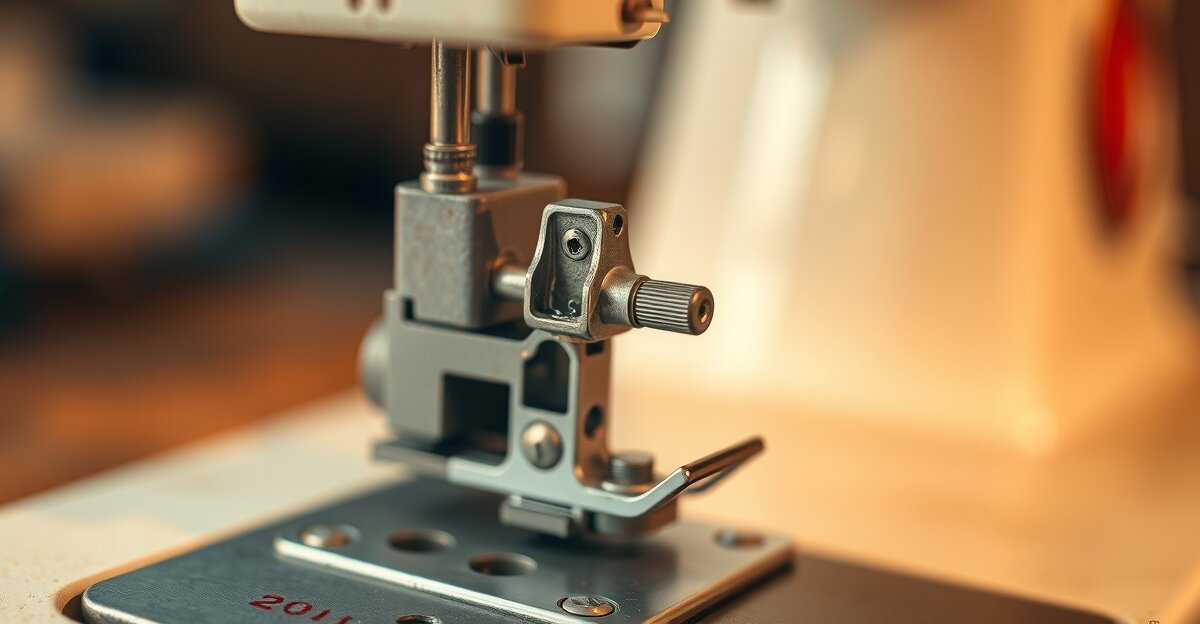
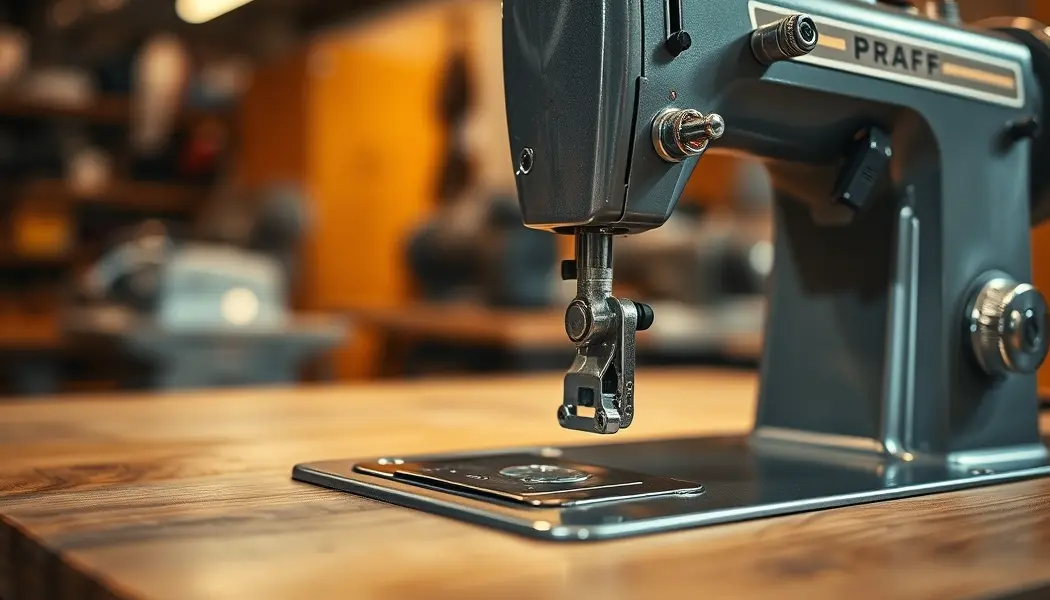
Removes the needle plate (the metal panel directly under the presser foot) by gripping the spanner nut. Most home restorers try to use a regular wrench here and immediately regret it — the geometry is wrong, the nut is small, and you can strip or scratch things quickly. Many machines use proprietary spanner nut sizes. A dedicated tool grips properly and gives you controlled torque.Our Pick: Universal Sewing Machine Needle Plate Remover (~$10–$15)
Fits the majority of vintage machines (most use 15–20mm spanner nuts), and you’ll find it described under various generic names on Amazon. Brand-specific versions also exist: Singer’s own plate removal tool (~$7–$10) and Bernina’s spanner tool (~$8–$12) if you’re working on those machines specifically. Where to buy: Amazon, eBay (used vintage tools), specialty sewing retailersPro Tip
Before you buy anything — check the drawer that came with your machine. Many vintage sewing machines shipped with their own plate removal tool, and it’s still sitting in the accessory case that came with it. Check the original manual too. You might already have what you need. —Tool #7: The Vacuum — Clean Before You Oil
What It Does
Safely evacuates decades of accumulated dust and lint from internal areas before you apply any oil. You’re creating a clean surface for lubrication — not sealing debris in with it.Our Pick: Your Household Vacuum’s Upholstery Attachment (~$0 if you own a vacuum)
Most people already own this. The brush attachment on a standard home vacuum does the job well for the vast majority of restorations. You want gentle suction with a bristle attachment — not a hard hose directed into the mechanism like you’re trying to remove a loose tooth. If you want a dedicated handheld unit, the Bissell Pet Hair Eraser (~$200–$250) has excellent suction and quiet operation. But honestly, unless you’re restoring machines regularly or professionally, your existing vacuum is fine. Where to buy: You likely already have it. If not: Amazon, Best Buy, WalmartPro Tip
Avoid compressed air inside the mechanism. It seems intuitive, but you can dislodge fragile components, push debris *further* into tight spaces, and create a lint cloud that settles right back down. Vacuum out. Air in is risky. —Tool #8: The Timing Screwdriver — For Stitch Problems That Won’t Quit
What It Does
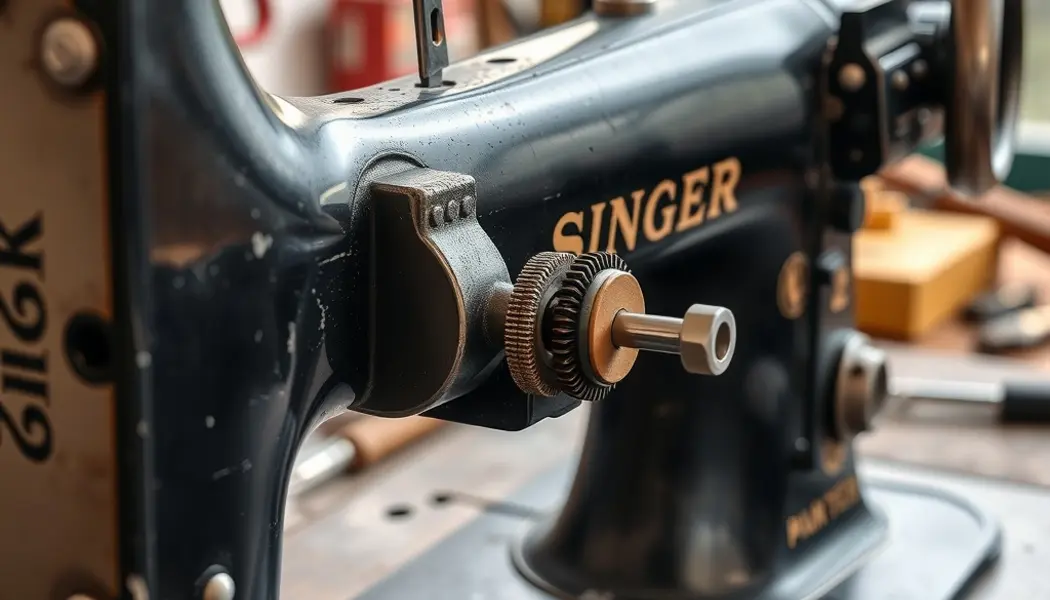
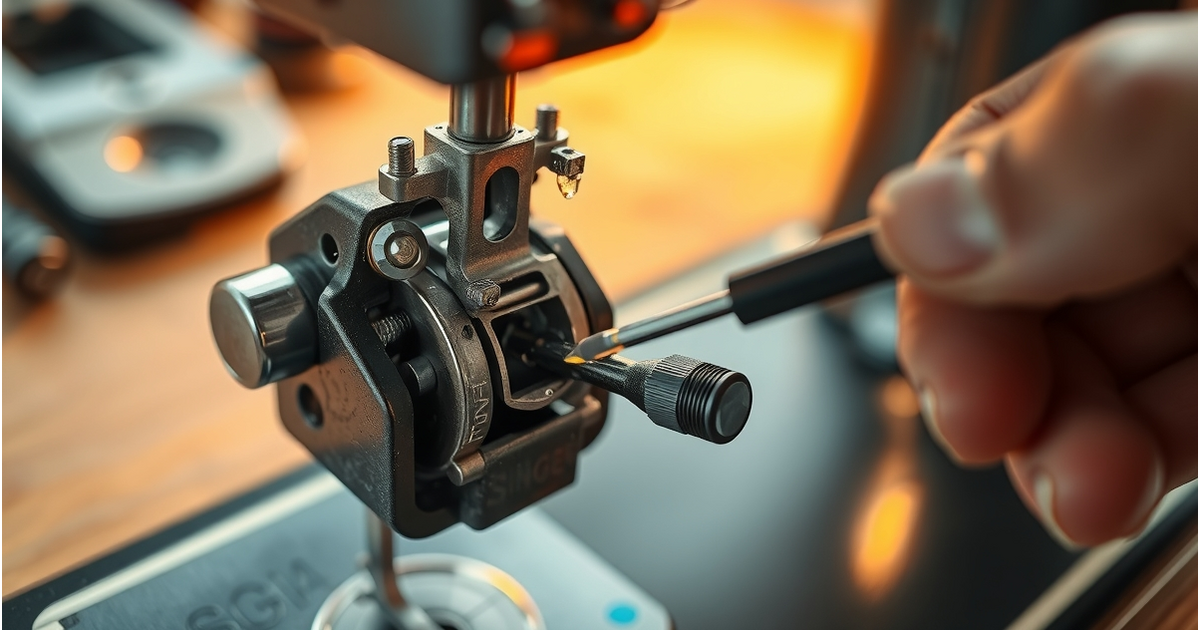
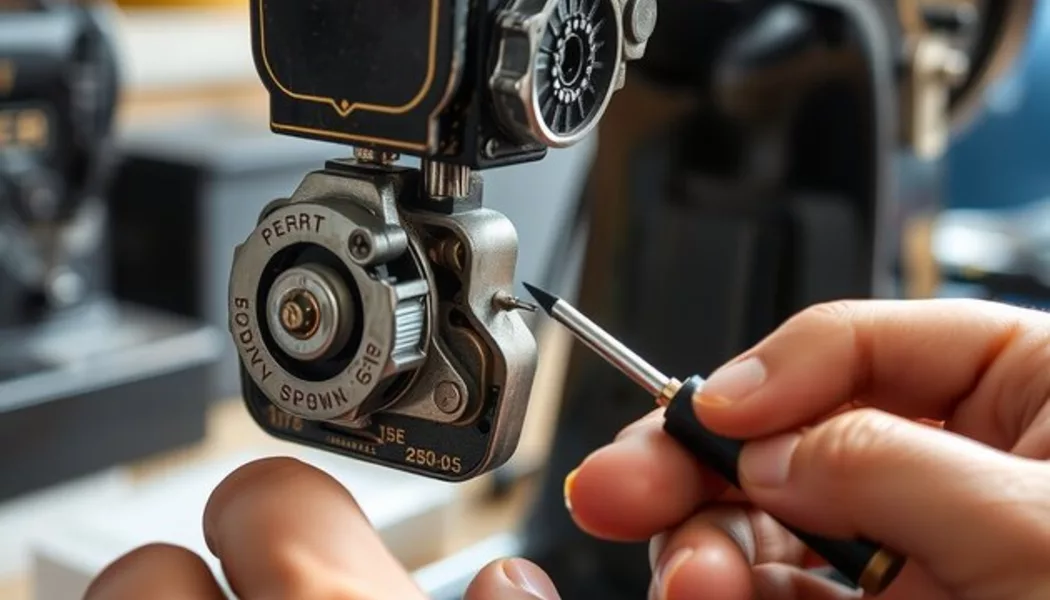
Adjusts timing (needle-to-hook synchronization) and clutch tension on mechanical machines. If your machine is skipping stitches, creating loops on the underside of fabric, or producing uneven tension despite everything being clean and oiled — timing is probably the culprit. This tool isn’t essential for a basic cosmetic restoration or routine maintenance. But if you’re doing a functional restoration and the machine needs to actually *sew* properly, it’s the one that fixes what brushes and oil can’t. For Singer 99K timing specifically, there’s a whole visual guide available.Our Pick: Universal Sewing Machine Timing Tool Kit (~$22–$35)
Works across multiple brands and typically includes an adjustment guide. Brand-specific versions include the Singer timing tool (~$6–$10) and Bernina clutch tool (~$8–$12). For a comprehensive option, the iFixit-style complete timing kit (~$30–$50) covers all adjustments. Where to buy: Amazon, eBay, specialty sewing machine retailersPro Tip
Timing adjustment is the most technically demanding task in this list. Don’t just wing it. Watch two or three YouTube tutorials specific to your machine model before you touch anything. Many restorers skip this entirely on their first machine and only clean, oil, and adjust tension — which resolves 70–80% of problems without touching the timing at all. Know your limits, and that’s not a criticism. —Tool #9: The Exterior Brush — Bring Back That Vintage Shine
What It Does
Gently cleans the external paint, chrome trim, and original decals without scratching or stripping. Vintage sewing machines — especially Art Deco-era models from the 1940s and 1950s — have beautiful original decoration that’s irreplaceable once damaged. The exterior cleaning brush is your primary vintage sewing machine maintenance tool for the outside of the machine.Our Pick: Soft Natural Horsehair Brush (2-inch, ~$4–$7)
Traditional horsehair bristles are safe on virtually all finished surfaces: painted enamel, chrome, gold decals, lacquered cabinet work. A soft nylon detail brush (~$3–$5) is a fine modern alternative and works particularly well on chrome. Honestly, a repurposed soft-bristle toothbrush works in a pinch and costs nothing. The key is *soft* — no stiff bristles, no synthetic abrasives. Where to buy: Amazon, craft stores, thrift storesPro Tip
Pair with mild dish soap diluted in warm water and a soft microfibre cloth. For chrome that has surface rust or oxidation, Brasso metal polish applied carefully with a cloth (not the brush) can bring back significant shine. Always test on an inconspicuous area first — particularly with decals, which can be more fragile than they look. —Tool #10: The Starter Kit — Everything in One Box
What It Does
For anyone just starting out, a pre-assembled restoration kit eliminates decision paralysis and typically saves 15–30% compared to buying each tool individually. You open one box, you have everything you need.Our Pick: Grey Industries Restoration Kit (~$28–$38)
Curated specifically for vintage sewing machine hobbyists, includes a brush, sewing machine oil, screwdrivers, tweezers, pry tools, and a storage case. It’s the kit I’d hand to someone who just inherited a non-functioning machine and has never done this before. Premium alternative: iFixit Sewing Machine Toolkit (~$40–$55) is professional-grade, more comprehensive, and will last longer if you’re serious about the hobby. Budget alternative: an Amazon generic bundle (~$18–$28) hits the essentials at minimum cost. And of course, Etsy has a range of specialty restoration kits — often curated by enthusiasts who’ve assembled exactly what they’d want, sometimes with period-appropriate tools that have their own appeal. Where to buy: Amazon, EtsyPro Tip
Kits are the smart starting point. After your second or third machine, you’ll know which tools you actually reach for and which ones sit untouched. That’s when it makes sense to invest in premium individual versions — a better screwdriver set, a higher-quality oil applicator. Until then, let the kit guide you. —Where to Actually Buy These Sewing Machine Restoration Tools
You have more options than you might think, and each source has its own advantages.Amazon
Largest selection, fastest shipping, and the easiest way to read verified reviews from people who’ve used these tools on actual sewing machines. Search terms matter here — “sewing machine maintenance tools” and “vintage sewing machine cleaning kit” tend to surface better results than generic tool searches. Commission note: links in this post are affiliate links (Amazon Associates).Etsy
The best source for specialty restoration kits, period-appropriate tools, and items from enthusiasts who know exactly what they’re selling. If you’re restoring a particularly special machine — a Featherweight, a treadle, a pre-war Bernina — Etsy sellers often carry parts and tools you simply won’t find on Amazon. Browse shops with strong reviews and look for sellers who describe their sewing machine experience.Local Quilt and Fabric Shops
Underrated resource. Staff at a good local shop have usually encountered every common restoration question and can give you hands-on advice. No shipping wait, no guesswork on what you’re getting, and you’re supporting a business that’s part of the same community you’re in.Specialty Sewing Machine Retailers and eBay
For brand-specific tools (Singer spanner wrenches, Bernina clutch tools) and used vintage equipment, eBay is genuinely excellent. You can find original factory tools from the same era as your machine for a few dollars. Also worth checking: authorized Singer and Bernina dealers, who carry official parts and tools.What to Avoid
Generic “10-in-1 all-purpose sewing tool” kits that try to do everything and succeed at nothing. Sellers with fewer than 10 reviews. And any tool described vaguely as “fits all machines” when the description doesn’t actually list which machines — that usually means it fits approximately none of them well. —Common Mistakes to Avoid
Even with the right sewing machine repair tools kit in hand, there are a few places where things go wrong fast. Using WD-40 as a lubricant. This is the number one mistake on r/sewing and it comes up every week. WD-40 is a water-displacement spray. It’s not a lubricant. It evaporates, leaves residue, and attracts lint. If you’ve already done this — don’t panic. Clean the affected areas with isopropyl alcohol and start fresh with proper sewing machine oil. Forcing stuck parts. If a plate or cover isn’t coming off, there’s a screw you haven’t found yet. Vintage machines often have hidden fasteners under decals, under other covers, or recessed in places that aren’t obvious. Force causes cracks, stripped screws, and damaged castings. Pause and look harder. Over-oiling. One drop per oiling point. Not a squeeze. Not “a little more for good measure.” Excess oil migrates into places it shouldn’t go, collects lint, and creates a gummy mess that’s harder to clean than the dry mechanism you started with. Skipping the photo step before disassembly. You will not remember where every spring and washer came from. Take pictures. Your future self will thank you loudly. Using cheap screwdrivers on old screws. Already covered this, but it bears repeating: quality screwdrivers are the single most important investment in this list. Wiha or iFixit, not the $2 gas station set. —Frequently Asked Questions
Do I really need special sewing machine oil?
Yes — and there’s no workaround here. General-purpose oil, WD-40, and silicone spray all damage seals, attract dust, or leave residue that builds up over time. Sewing machine oil is formulated to be thin enough to reach delicate parts without sticking or gunking. A bottle costs $5–$10 and lasts years. Use the right product.
Can I restore a vintage sewing machine without any special tools?
Partially. You can clean the exterior and do some basic brushing with household items. But accessing internal parts, removing plates, and making any functional adjustments requires at minimum a precision screwdriver set and a pry tool. Budget $30–$50 for a functional starter kit and you’ll be able to do 90% of basic restorations.
How often should I clean and oil my sewing machine?
Weekly brushing if you’re using it regularly. A proper deep clean monthly if you sew heavily. Oil application roughly every 50–100 hours of actual sewing — for a hobbyist, that’s roughly quarterly. If the machine sounds rough, feels sticky, or the stitching quality changes, don’t wait for the schedule. Clean and oil it immediately.
Is it worth restoring an old sewing machine yourself?
Almost always, yes. DIY restoration costs $30–$150 in tools plus a few hours of time. Professional repair runs $150–$400 or more, often for the same work. Beyond the economics, you’ll understand the machine intimately once you’ve been inside it. You’ll catch problems earlier. And there’s something genuinely satisfying about running a machine that you personally brought back from the dead.
Where can I find replacement parts if my machine needs more than cleaning?
eBay has the largest inventory of used and new-old-stock parts. Etsy has specialty sellers for harder-to-find components. Authorized dealers for Singer, Bernina, and Pfaff carry official replacement parts, though availability on older models varies. Reddit’s r/sewing and dedicated vintage sewing Facebook groups are excellent for sourcing obscure parts — someone in those communities has almost certainly restored the same machine and knows exactly where to look. Also check out the Singer 66 bobbin winder repair guide and Pfaff 130 repair guide for model-specific sourcing tips.
What’s the single biggest mistake beginners make?
WD-40 instead of sewing machine oil. It ruins machines and it’s the most common question posted to restoration forums after the damage is done. Second place: forcing stuck parts without checking for hidden screws. Third: using a cheap screwdriver and stripping a vintage screw head. All three are completely avoidable with the right sewing machine restoration tools.