
I Compared Rolex and Seiko Repair Costs
Here’s a number that stops people cold: a standard Rolex service at an authorized service center runs $1,250 to $1,800—before they’ve touched a single worn component. One hobbyist on r/Watches shared a Grand Central Watch diagnostic quote of $1,250 just to open the case and evaluate the movement. No parts. No labor on actual repairs. Just looking.
Now compare that to the Seiko side of the ledger. A full NH35 movement overhaul—new mainspring, fresh lubricants, cleaned train wheels—runs about $50 to $150 in parts. The labor is yours to keep.
That gap isn’t a pricing scandal. It’s a design philosophy. When you’re comparing a Rolex vs Seiko mechanical watch, you’re really comparing two completely different answers to the question: “Who gets to fix this watch?”
Rolex’s answer is: authorized technicians, trained in Switzerland, with proprietary tools and parts you can’t buy anywhere else. Seiko’s answer is: you can, if you want to. The NH35 movement powering the Seiko 5 SNK809 and hundreds of other watches was practically designed for hobbyist tinkering. Parts are everywhere. Guides are everywhere. The learning curve exists, but it’s the kind you can actually climb.
This post is for people standing at the crossroads—maybe you own a Seiko and want to service it yourself, maybe you’re eyeing a Rolex Explorer 114270 and want to know what the long-term maintenance commitment actually looks like, or maybe you’re just trying to understand why watch repair ranges from “weekend project” to “six-week wait and $2,000.”
We’ll cover movement architecture, parts costs, tooling, real service prices, and the honest economics of owning both watches over a decade. If you’re new to mechanical watch repair entirely, start with our mechanical watch repair basics guide before going deeper here.
Let’s get into it.
Movement Architecture: Rolex Caliber 3135/3235 vs. Seiko NH35/NH36
Rolex Caliber 3135 & 3235: Proprietary Precision, Deliberately Closed
The Rolex caliber 3135 has been the backbone of the Submariner, Datejust, and Explorer since 1988. It’s a masterpiece of in-house engineering—a self-winding movement with a Parachrom hairspring (Rolex’s proprietary blue alloy, 10x more resistant to magnetic fields than traditional silicon), a Paraflex shock absorber system, and a free-sprung Microstella balance wheel that can be adjusted with a screwdriver but only if you know exactly what you’re doing.
The newer caliber 3235 (introduced 2015) adds a Chronergy escapement—an evolved lever-and-escape wheel geometry that’s 15% more efficient than a traditional Swiss lever escapement. It’s genuinely impressive engineering. It also makes the movement significantly harder to service without Rolex-specific training.
Component count on these calibers sits at roughly 50+ custom parts, many of which are proprietary to Rolex. The ceramic bearings? Not available aftermarket. The mainspring? Rolex-sourced only, running $150 to $300 for the part alone. The Parachrom hairspring? Budget $200 to $400 if you can even find one—and you probably can’t, because Rolex doesn’t sell components to third parties.
The movement architecture is a sealed ecosystem by design. Rolex service centers have specialized tools developed for these calibers—chronometer calibration equipment that costs $2,000 to $5,000 alone. The Rolex Explorer 114270, running the 3135, is a beautiful watch, but it is not a watch you crack open at your kitchen table.
Seiko NH35 & NH36: Modular, Accessible, Hobbyist-Friendly
The Seiko NH35 is sometimes called “the LEGO of watch movements,” and the nickname fits. It evolved from the ETA 6R35 architecture—a licensed, well-documented design—and lands at roughly 30 standardized components. That modularity matters enormously when something goes wrong.
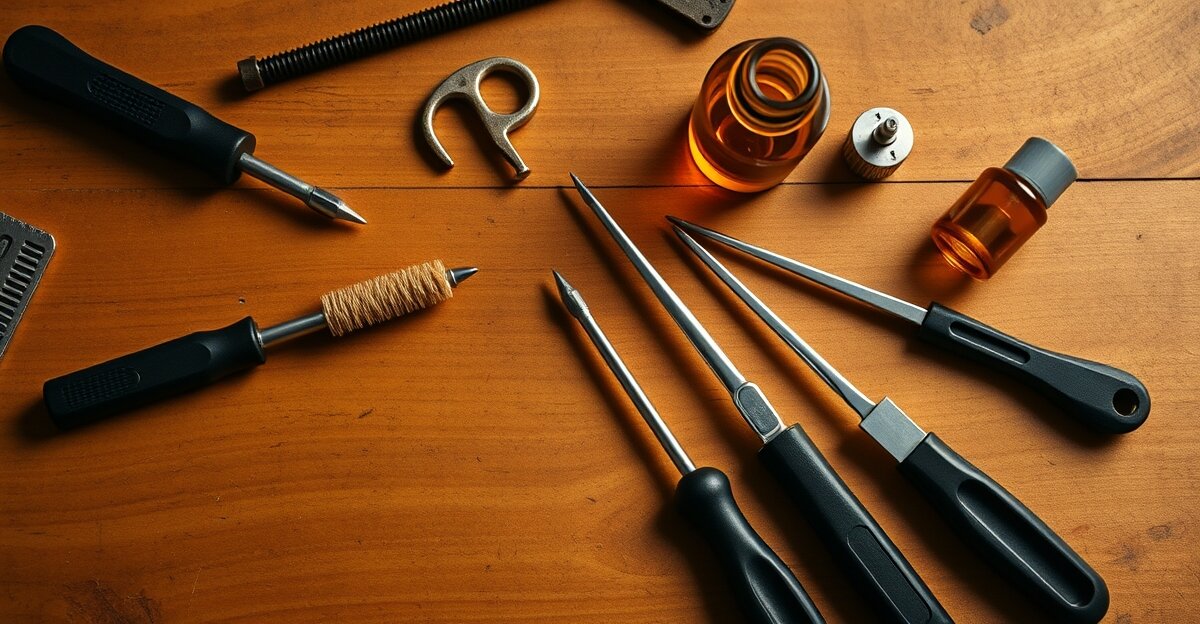
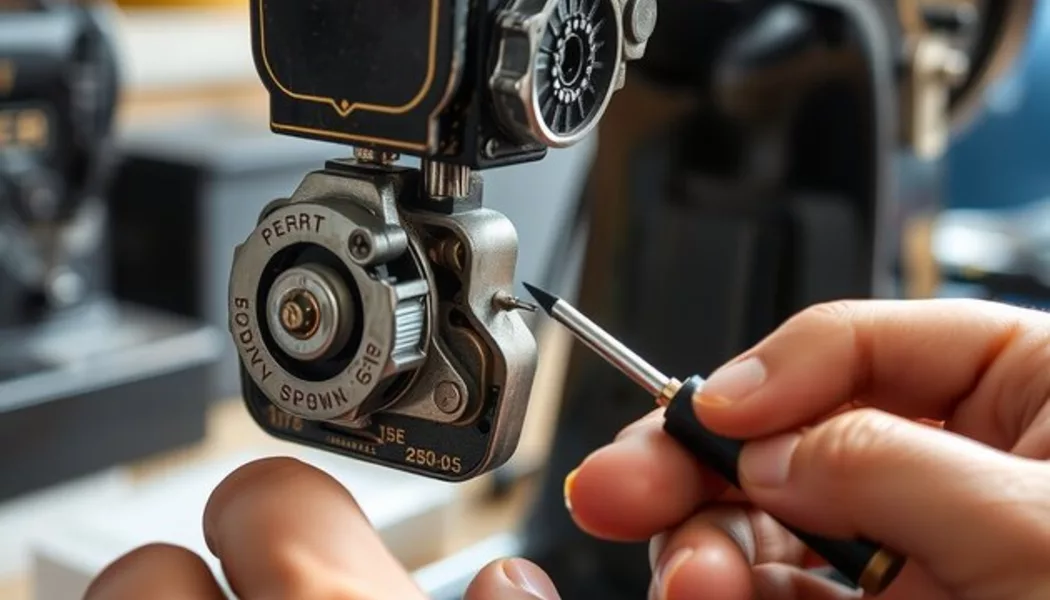
The NH35 (no day/date) and NH36 (day/date) use a standard jewel bearing system—no proprietary ceramics. The mainspring is compatible with several Asian movement families, including Miyota and Orient variants. The balance wheel uses a standard Seiko regulation system that can be adjusted with basic tools. The entire movement can be disassembled with a set of watchmaker’s screwdrivers in the $15 to $30 range.
Open architecture means open access. There are Seiko NH35 disassembly videos on YouTube with millions of views. The r/Watchmodding subreddit (80,000+ members) has threads covering every failure mode you’ll encounter, with photos and step-by-step fixes. iFixit hosts over 15 community-written Seiko repair guides. The movement was practically designed to welcome people who want to learn.
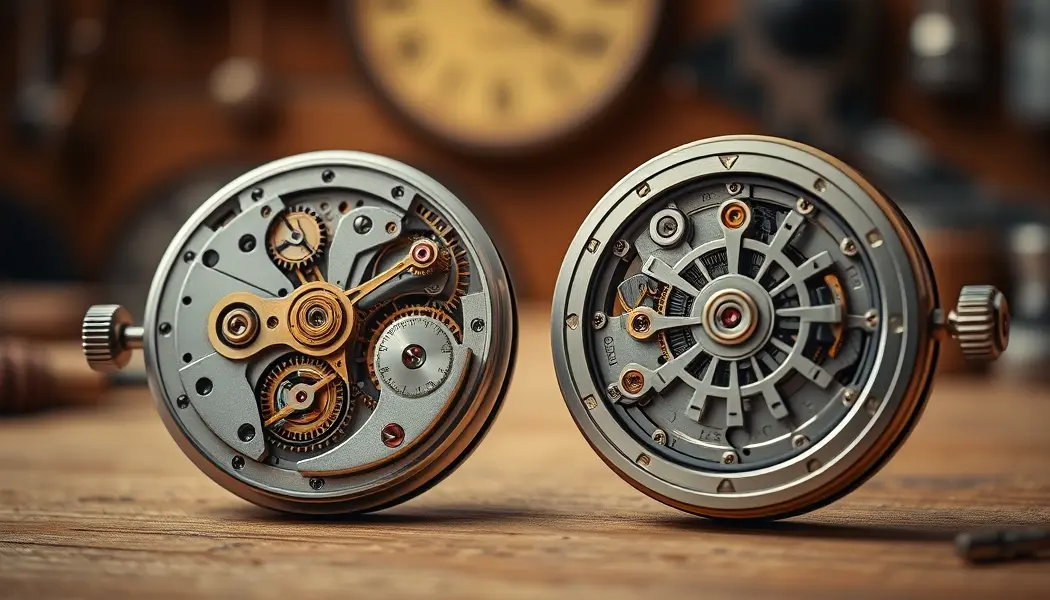
Side-by-Side: What the Architecture Means for Repairs
| Feature | Rolex Cal 3135/3235 | Seiko NH35/NH36 |
|---|---|---|
| Component count | ~50+ proprietary parts | ~30 standardized parts |
| Hairspring material | Parachrom (proprietary) | Standard alloy |
| Bearings | Ceramic (proprietary) | Standard jewel bearings |
| Parts availability | Rolex-authorized only | eBay, Etsy, Amazon |
| Specialized tooling | $2,000–5,000+ | $30–50 entry kit |
| DIY-friendly? | No | Yes |
| Community repair guides | 3 (mostly disassembly) | 15+ detailed guides |
The bottom line: Seiko built the NH35 to be maintained. Rolex built the 3135/3235 to be serviced—by Rolex, on Rolex’s schedule, at Rolex’s price.
Parts Availability & Real Cost Breakdown
Seiko Parts: The Budget-Friendly Ecosystem
Open eBay and search “NH35 mainspring.” You’ll find dozens of results from $3 to $8 each. Search “NH35 balance wheel” and you’ll find complete assemblies for $8 to $20. The entire parts ecosystem for Seiko’s NH-series movements is one of the richest in affordable watchmaking.
Here’s a realistic parts cost for a full NH35 overhaul:
- Mainspring: $3–8 (standard replacement, widely available)
- Hairspring: $5–12 (a delicate repair, but parts are accessible)
- Balance wheel assembly: $8–20 (if damaged during service)
- Wheel train components: $10–30 each (rarely needed)
- Lubricant kit (Moebius 9010, 9020, D5): $25–40 (reusable across multiple services)
- Total DIY overhaul cost: $50–150 in parts
If you want to skip the DIY entirely, an independent watchmaker familiar with Seiko movements will charge $200 to $400 for a full service. Seiko’s authorized service program runs $400 to $600 with a warranty.
For a mainspring replacement—one of the most common Seiko service tasks—parts alone cost under $10, and the job takes about an hour once you’ve done it a couple of times.
The aftermarket thrives because Seiko never locked down its parts supply. Etsy is full of modders selling pre-sorted component kits. eBay has vetted watch parts sellers with thousands of feedback ratings. The Seiko 5 SNK809 in particular has such a strong community following that you can find parts, dials, hands, and full movement replacements all sourced from one seller.
Rolex Parts: The Bottleneck
The Rolex parts situation is almost the opposite. Rolex doesn’t sell components to independent watchmakers or hobbyists. They don’t have a parts catalog you can order from. If you need a genuine 3135 hairspring, your options are: authorized Rolex service center, or a grey-market supplier selling removed parts from donor movements—with no guarantee of condition or authenticity.
Rough pricing for Rolex-specific parts when they can be found:
- Proprietary Parachrom hairspring: $200–400+ (authorized only)
- Caliber 3135/3235 mainspring: $150–300
- Balance wheel assembly: $300–500
- Ceramic bearings: $250+ and not available aftermarket
- Special order timeline: 4–12 weeks
For most Rolex owners, this means authorized service is the only real path. There’s no grey-market equivalent to the Seiko parts community. Aftermarket Rolex parts exist but carry real risk: they can void your warranty, potentially damage precision components, and are impossible to verify as genuine.
The Real-World Cost Gap Over Time
| Scenario | Year 1 | Year 5 | Year 10 |
|---|---|---|---|
| Seiko NH35 DIY | $50–80 (tools + first parts) | $50–100 (second overhaul) | $300–500 total |
| Seiko (independent watchmaker) | $200–400 | $200–400 | $600–1,200 total |
| Rolex (authorized service) | $1,250–1,800 | $1,500–2,000 | $3,500–5,000+ total |
Tools & Skills Required
Seiko DIY Toolkit: Entry-Level and Affordable
Getting started with Seiko NH35 repairs doesn’t require a professional-grade bench setup. The basic toolkit that’ll carry you through a full movement service runs $30 to $50:
- Watchmaker’s screwdrivers (1.0mm, 1.2mm, 1.5mm): You’ll use these constantly
- Fine-tip tweezers (anti-magnetic): Essential for handling springs and tiny components
- Watchmaker’s loupe (7x or 10x magnification): Spotting hairspring bends and jewel damage
- Movement holder: Keeps the movement stable while you work—don’t skip this
- Rodico (pithwood substitute): The watchmaker’s best friend for picking up tiny parts without contaminating them with fingerprints
- Hand-setting tool: For reinstalling cannon pinion, hour, minute, and second hands without scratching the dial
- Cleaning brushes (soft): For dusting components before reassembly
Optional upgrades as you progress: an ultrasonic cleaner ($60–120), a mainspring winder ($15–25), and a timegrapher ($80–120) to verify regulation after service.
The learning curve is real but manageable. Most hobbyists feel competent after 5 to 10 service attempts. The NH35’s forgiving design means a bent hairspring or dropped screw is frustrating, not catastrophic—a replacement part costs less than a dinner out.
Rolex Professional-Grade Requirements
Servicing a Rolex caliber 3135 or 3235 is a different discipline entirely. The tooling requirements alone put it out of reach for home repair:
- Chronometer calibration equipment: $2,000–5,000+
- Coaxial escapement adjustment tools (3235-specific): Specialized, not commercially available
- Precision measurement devices (dial gauges, micrometers): $500–1,500
- Rolex-certified training: Typically 2–3 years of professional coursework
The coaxial escapement on the newer 3235 is the specific sticking point. Misaligning the escapement geometry by even a fraction of a millimeter affects rate accuracy. Re-setting it requires precise tools and the kind of tactile intuition that only comes from years of handling the same caliber repeatedly.
Common Mistakes (and Their Cost)
Understanding what goes wrong helps you decide whether to attempt a repair yourself.
Seiko NH35 mistakes—recoverable:
- Bent hairspring from rough tweezers handling → replacement hairspring: $8
- Wrong lubricant applied (e.g., too heavy a grade on the escapement) → cleaning and re-lubricating: 1 hour
- Hairspring coil tangled during reassembly → separating and re-centering: tricky, but tutorials exist
- Over-tightened screw → worst case, stripped bridge hole: new movement: $15–25
Rolex mistakes—expensive and sometimes irreversible:
- Ceramic bearing damage from improper tools → $250+ and no aftermarket replacement
- Coaxial escapement misalignment → $500–1,000 to correct at authorized service
- Mixing parts from different 3135/3235 variants → rate errors requiring full recalibration
- Damaging the Parachrom hairspring → $200–400 for the part, if available at all
The asymmetry is stark. A Seiko mistake costs you an afternoon and maybe $20. A Rolex mistake can cost you weeks and hundreds of dollars in professional correction.
Service Costs: Real-World Examples
What Seiko Service Actually Costs
Seiko service has three realistic tiers:
DIY full overhaul: $50–150 in parts plus your time (4–8 hours). This is the path that makes the most economic sense once you’ve done it 2 or 3 times. The first attempt takes longer while you learn orientation and assembly order; by the third, you’re working with real confidence.
Independent watchmaker: $200–400 for a full service by someone who knows the NH-series well. Turnaround is typically 2 to 4 weeks. Quality varies—ask specifically if they’ve serviced NH35 movements before. Many independent shops genuinely enjoy working on Seiko because the parts are available and the movements are straightforward.
Seiko authorized service: $400–600, includes a warranty on parts and labor. Worth considering for newer watches still under warranty, but honestly overkill for a Seiko 5 SNK809 that cost $80 new.
One hobbyist on r/Watches documented a complete SNK809 overhaul for $43 in parts—new mainspring, cleaning supplies, fresh lubricants—spread over one Saturday. Their verdict: “More satisfying than anything I’ve bought in months.”
What Rolex Service Actually Costs
The numbers here are harder to stomach if you weren’t expecting them.
Rolex authorized service (USA, 2024–2025 pricing):
- Submariner (no date): $1,250–1,500 (labor and cleaning only, no parts)
- Explorer 114270: $1,100–1,400
- Datejust (36mm): $950–1,200
- With parts replacement (hairspring, mainspring): add $300–800 to any of the above
Unauthorized specialists: $800–1,200 for a full service on a sports model. Faster turnaround (4–6 weeks vs. 6–12), but no Rolex warranty and some risk of parts sourcing shortcuts.
Vintage Rolex (pre-1980): Costs drop to $500–1,000 because older calibers are simpler and some parts have broader availability. The vintage market is the one area where independent Rolex service starts to approach accessible.
Service Turnaround: The Time Cost
Cost isn’t just money. Time matters too, especially if the watch is a daily wearer.
| Service Option | Typical Turnaround |
|---|---|
| Seiko DIY | 4–8 hours (one weekend) |
| Seiko (independent watchmaker) | 2–4 weeks |
| Seiko authorized service | 4–6 weeks |
| Rolex unauthorized specialist | 4–6 weeks |
| Rolex authorized service | 6–12 weeks (often backlogged) |
Multiple threads on r/Watches document Rolex owners sending watches in January and receiving them back in May. A 12-week service wait is not unusual; it’s almost expected during peak periods. With Seiko, you can hand your watch to an independent watchmaker on Monday and have it back Friday.
Community Support & Resources
The Seiko Ecosystem: Practically Built for Hobbyists
One of the underrated advantages of choosing Seiko for your first mechanical watch repair isn’t the movement—it’s the people. The online Seiko repair community is enormous, active, and genuinely helpful in ways that the Rolex community simply can’t match for DIY purposes.
r/Watches (800,000+ members): Seiko repair threads appear regularly, with experienced hobbyists providing photo-annotated feedback on everything from hairspring bends to rotor noise. Ask a Seiko question at 10pm and you’ll likely have three useful replies by midnight.
r/Watchmodding (80,000+ members): This subreddit is essentially the NH35 owner’s manual in community form. About 70% of discussions center on Seiko and NH-series modifications and repairs. Want to swap a dial? Replace a chapter ring? Service the click spring? There’s a thread for it.
iFixit: 15+ community-written Seiko 5 repair guides covering case opening, movement removal, and full overhaul procedures. The guides include tools lists, torque guidance, and photo references for every step.
YouTube: Search “Seiko NH35 service” and you’ll find hundreds of results—step-by-step teardowns, hairspring manipulation tutorials, timing adjustment guides. Channels like Watch Repair Channel and Wrist Carnage have built entire followings around accessible watch repair content.
More than 1,000 independent watchmakers worldwide are comfortable servicing Seiko movements. Finding someone local who knows the NH35 is usually a matter of one phone call.
The Rolex Community: Professional-Only by Necessity
Rolex discussion on r/Watches tends to follow a familiar pattern: “How much will this service cost?” followed by responses ranging from sympathetic to resigned. The community knows the score. iFixit has exactly 3 Rolex guides, and they focus mostly on disassembly rather than actual repair. There are no active hobbyist communities for DIY Rolex servicing because the design genuinely doesn’t support it.
Worldwide, Rolex maintains approximately 120 authorized service centers. Access to genuine parts, qualified technicians, and official warranty backing is real—but it comes with the pricing and turnaround times discussed above. For Rolex owners, the community resource is the brand itself, not a subreddit.
Model-Specific Repairability Tiers
Seiko Models Ranked by DIY-Friendliness
Tier 1 — Easiest (NH35/NH36-powered watches): The Seiko 5 SNK809, Seiko Samurai SRPB51, Seiko Turtle SRPC44—any watch running the NH35 or NH36 caliber belongs here. Standardized movement, abundant parts, massive community support. Estimated DIY success rate for someone who has watched a few tutorials: around 90 to 95%. If you damage a component, a replacement movement costs $15 to $25. The stakes are low; the learning is high.
Tier 2 — Moderate (Seiko 5 vintage series, 1960s–1980s): Older mechanical Seiko 5 models use different calibers (56-series, 70-series) that are simpler in many ways but have fewer online tutorials specifically tailored to them. Parts availability is good—vintage Seiko parts sellers on eBay are well-established—but you’ll need to reference service manuals more carefully. Estimated DIY success rate: 80 to 85%.
Tier 3 — Advanced (Seiko Presage, Prospex chronographs): Models running more complex calibers like the 6R35 or 8R-series chronograph movements require more experience. Still far more accessible than any Rolex, but the higher component count and tighter tolerances mean mistakes cost more to fix. Estimated DIY success rate for an experienced hobbyist: 70%. Cost of a failed repair: $75 to $150.
Rolex Models: When DIY Is Simply Not an Option
Tier 1 — Avoid DIY entirely (3135/3235 sports models): Submariner, GMT-Master II, Explorer 114270, Daytona. These movements require Rolex-certified service only. Authorized service runs $1,250 to $1,800. Unauthorized specialists: $800 to $1,200. Either way, budget for it and plan around the turnaround time.
Tier 2 — Specialists only (Datejust, Day-Date, older calibers): Slightly simpler movements in some older Datejust references, but still restricted parts access. Independent specialists with Rolex experience can service these competently, typically at $700 to $1,100. Success rate from quality independents: 90 to 95%.
Tier 3 — Possible with significant experience (vintage Rolex, pre-1980): Cal 1520, 1530, and similar movements from the 1960s and 1970s are simpler than modern calibers, and some parts have wider availability. A very experienced watchmaker (not a hobbyist—a trained professional) can service these at $500 to $800. The vintage market is the one space where Rolex service becomes almost reasonable.
DIY Risks & Professional Decision Points
When DIY Makes Sense (Seiko-Specific)
DIY watch repair pays off when these conditions are met:
- You’ve completed 2 to 3 practice services on a similar movement
- Total parts exposure is under $100
- The watch has no irreplaceable sentimental or monetary value
- You have good lighting, a clean workspace, and the patience to work slowly
- The movement isn’t one-of-a-kind (a current-production NH35 watch is perfectly positioned for this)
The NH35 is particularly forgiving for beginners. The fundamentals of mechanical watch cleaning and lubrication that apply to any movement are easiest to learn on this caliber—you won’t be working around proprietary components or praying you don’t accidentally damage something irreplaceable.
When to Call a Professional
- Any Rolex movement — don’t consider DIY under any circumstances
- High-value vintage pieces worth more than $500
- Watches with strong sentimental value (your grandfather’s Omega, your wedding gift)
- Chronograph complications, GMT mechanisms, annual calendars
- Your very first service attempt — consider shadowing a professional first
Red Flags During a Service
Stop and consult a professional if you encounter:
- Movement won’t beat after cleaning and reassembly (likely a hairspring issue)
- Hairspring visibly bent or coils touching
- Any component you can’t confidently identify or reinstall
- Watch runs but shows extreme rate error (+/- 60 seconds per day or more) after service
- Any cracked jewel or damaged pivot
Long-Term Ownership Economics
Seiko 5 Over 10 Years
A realistic 10-year ownership breakdown for a Seiko 5 SNK809 (entry price ~$100–150):
- Year 1: Watch purchase + starter toolkit: $150–200 total
- Year 3: First DIY service: $50–80 in parts
- Year 7: Second DIY service: $30–50 (tools already paid for)
- Unexpected repairs: $50–100 over the decade
- Total 10-year cost (DIY approach): $280–430
- Total 10-year cost (independent watchmaker): $650–1,100
That’s a watch you understand inside out, can maintain indefinitely, and have likely taught yourself a genuine skill on.
Rolex Submariner Over 10 Years
A realistic 10-year ownership breakdown for a Rolex Explorer 114270 (entry price ~$7,000–9,000 new, higher on secondary market):
- Year 1: Watch purchase: $7,000–9,000+
- Year 5: Authorized service: $1,250–1,800
- Year 10: Second authorized service: $1,500–2,000 (prices rise)
- Parts replacement (if needed): +$300–800 per service
- Total 10-year cost: $10,000–14,000+
The Rolex will almost certainly hold or appreciate in market value—something a Seiko 5 won’t do. But purely from a maintenance economics perspective, Seiko wins decisively.
Break-even analysis: DIY Seiko service starts saving real money after your second repair. By the time you’ve serviced 5 watches, your tools have paid for themselves three times over.
Verdict & Recommendations: Which Rolex vs Seiko Mechanical Watch Is Right for You?
The comparison isn’t really about which brand makes a better watch. Both Rolex and Seiko make excellent mechanical watches. The comparison is about what kind of owner you want to be.
Choose Seiko if:
- You want to learn watch repair as a hobby
- Budget matters for both purchase and maintenance
- You enjoy tinkering and DIY projects
- You want fast turnaround on service
- You value community resources and open information
- This is your first mechanical watch
Choose Rolex if:
- You want a watch you don’t need to think about maintaining
- You’re comfortable with $1,500+ service costs every 5 to 7 years
- You’re buying partly for investment or resale value
- Brand heritage and Swiss certification matter to you
- You want the guarantee of an authorized service network
Neither choice is wrong. They’re just different philosophies about what ownership means. Seiko says: “Here’s a watch you can understand.” Rolex says: “Here’s a watch that will outlast you—just let us take care of it.”
If you’re starting out, the practical path is clear: pick up a Seiko NH35-powered watch, read our mechanical watch repair basics guide, and start learning. Once you’ve serviced a few movements, you’ll understand what goes into mechanical watchmaking at a level that makes owning anything—Seiko or Rolex—more rewarding.
Frequently Asked Questions
Is Seiko NH35 really easier to service than Rolex caliber 3135?
Yes, by deliberate design. The NH35 uses roughly 30 standardized components accessible with a $30 to $50 basic toolkit; the Rolex 3135 has 50+ proprietary parts requiring professional calibration equipment costing thousands of dollars. Rolex restricts parts sales to authorized service centers. Seiko parts are available on eBay for a few dollars each. The gap in DIY accessibility is not subtle—it’s fundamental to how each brand approaches ownership.
Can I buy genuine Rolex parts on eBay?
Rarely, and with significant risk. Rolex doesn’t sell components directly to consumers or third-party retailers. What you’ll find on eBay are parts removed from donor movements—used, condition unknown, and not guaranteed to be genuine. Using non-authorized parts on a Rolex voids the warranty immediately and risks movement damage from incompatible tolerances. For Rolex, stick with authorized service centers or well-reviewed independent specialists who source parts carefully.
What’s the cheapest way to maintain a Seiko 5?
DIY servicing is the most cost-effective path once you have the basic toolkit. A full NH35 overhaul runs $50 to $80 in parts—mainly a new mainspring and lubricants—plus a few hours of your time. If you’d rather not do it yourself, an independent watchmaker familiar with Seiko movements will charge $200 to $300 for a full service, which is still a fraction of what a Rolex service costs. Service interval for a well-maintained Seiko worn daily is roughly every 3 to 5 years.
Should I attempt Rolex repair at home?
No. This isn’t gatekeeping—it’s genuinely sound advice. The Rolex caliber 3135 and 3235 use proprietary ceramic bearings and a Parachrom hairspring that can’t be sourced from aftermarket suppliers. Mishandling either component causes damage that can cost $500 to $1,000 to correct professionally. There are no hobbyist-accessible repair paths for modern Rolex movements, and attempting one risks turning a $7,000 watch into a $7,000 paperweight requiring emergency service. Send it to an authorized center or a trusted independent specialist.
Where do watch modders source Seiko parts?
The Seiko parts ecosystem is genuinely well-stocked. eBay has hundreds of sellers offering NH35 components at competitive prices—search by specific part name for best results. Etsy has become a strong source for modded dials, hands, and pre-sorted component kits from sellers who specialize in Seiko customization. For movements specifically, a replacement NH35 movement costs $15 to $25 from multiple Asian suppliers on both platforms. Reddit’s r/Watchmodding community maintains vetted seller lists in their wiki, which is a good starting point for finding reliable sources.
One thought on “I Compared Rolex and Seiko Repair Costs”
Comments are closed.